Ever heard the phrase, “Make your money work for you”? That’s exactly what compounding interest does—it’s like giving your money a little job and watching it grow over time. At first, the growth might seem small, but don’t underestimate it.
Compound interest is like a snowball rolling downhill, gathering more snow as it goes. Whether you’re saving for retirement, a big purchase, or just building financial security, it can be your secret weapon.
Let’s see how it works and why starting early makes all the difference.
What is Compound Interest?

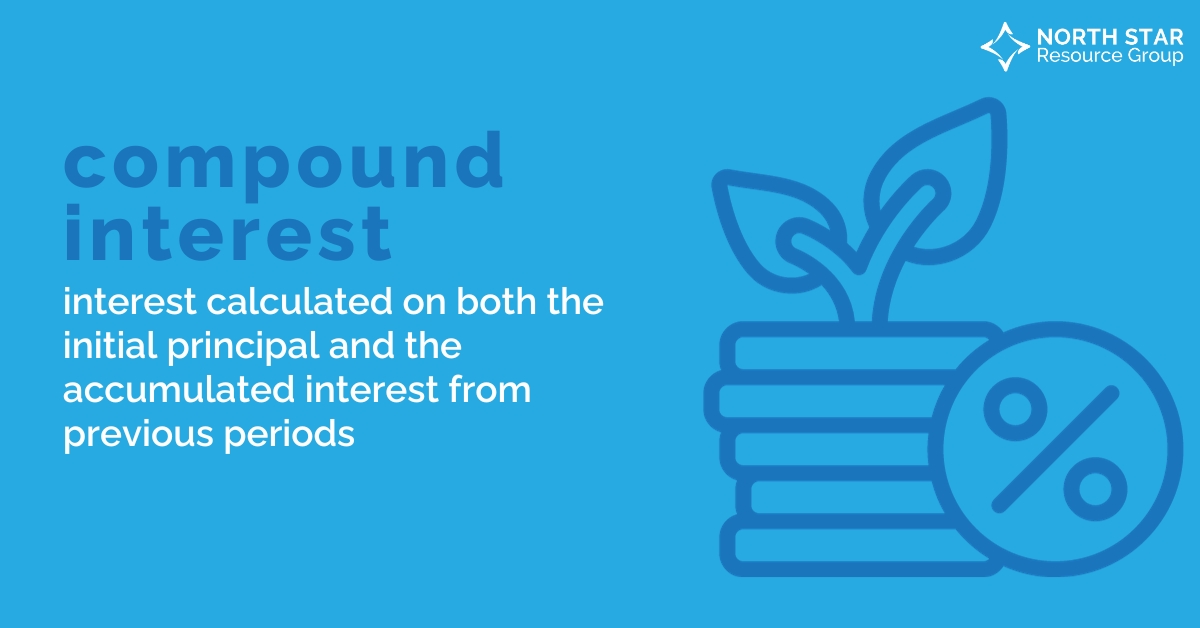
Compound interest is the process of earning interest on both your initial investment and the interest it accumulates over time. Unlike simple interest, where you only earn on the principal amount, compounding allows your money to grow exponentially as time passes.
Imagine depositing $1,000 in an account that earns 5% interest annually:
- Year 1: You earn $50, making your balance $1,050.
- Year 2: You earn interest on $1,050, bringing your balance to $1,102.50.
And so on.
Use the “Annual Rate of Return Calculator” to see how much you can earn annually with your particular savings.
Why Does Starting Early Matter?
One of the biggest factors in compounding is time. The earlier you start saving or investing, the more time your money has to grow. Here’s a quick comparison to show the difference:
- Person A starts investing $200/month at age 25 and stops at 35.
- Person B starts investing the same $200/month at age 35 and continues until age 65.
Even though Person A invested for only 10 years, they’ll have more money than Person B, thanks to the head start.
Pro Tip: Even small contributions can grow significantly over time. The key is consistency and patience.
Case Studies on Compounding Interest
Here are a couple of real-world examples where compounding made individuals rich over time:
1. Warren Buffett’s Wealth Accumulation
Warren Buffett, one of the world’s richest individuals, attributes much of his success to the power of compounding. Buffett started investing at age 11 and let his wealth grow over decades. According to reports, 99% of his wealth was accumulated after his 50th birthday, showcasing the exponential power of compounding over time.
2. Australian Superannuation Fund Study
A study in 2023 revealed that Australians who consistently contributed to their retirement funds starting in their 20s accumulated 65% more wealth by age 60 than those who started in their 30s. This was due to the compounding effect over decades.
How to Harness the Power of Compounding Interest
Want to make compound interest work for you? Here’s how.
- Start Early: The sooner you begin, the better. Even small amounts invested in your 20s can grow exponentially by retirement.
- Invest Consistently: Set up automatic contributions to your savings or investment account to stay on track.
- Choose High-Interest Accounts: Look for accounts or investments with a solid rate of return. The higher the interest rate, the faster your money compounds.
- Reinvest Your Earnings: Avoid withdrawing interest or dividends. Reinvesting them accelerates growth.
- Be Patient: Compounding interest is a long game. Stay focused on your goals and avoid the temptation to cash out early.
If you don’t have the money to invest, download my free guide on how to make $10,000 ASAP.
Take the First Step Toward Financial Freedom
Compounding interest is more than just a financial concept—it’s a powerful tool that can transform your future. With patience and consistent investments, you can harness the exponential growth that compounding interest offers.
If you don’t fully understand how it works and are looking for a way to learn about it, we’re here to help. Contact me to set-up a free consultation to see if financial coaching is a good fit for you!